
Contents
- 🌍 Introduction to Leopard Gecko Conservation
- 🐢 Leopard Gecko Biology and Habitat
- 📊 Conservation Status and Threats
- 🌟 Conservation Efforts and Initiatives
- 👥 Key People and Organizations
- 🌎 Cultural Impact and Significance
- 📈 Current State and Future Outlook
- 🤔 Controversies and Debates
- 🔮 Future Directions and Predictions
- 💡 Practical Applications and Recommendations
- Frequently Asked Questions
- References
- Related Topics
Overview
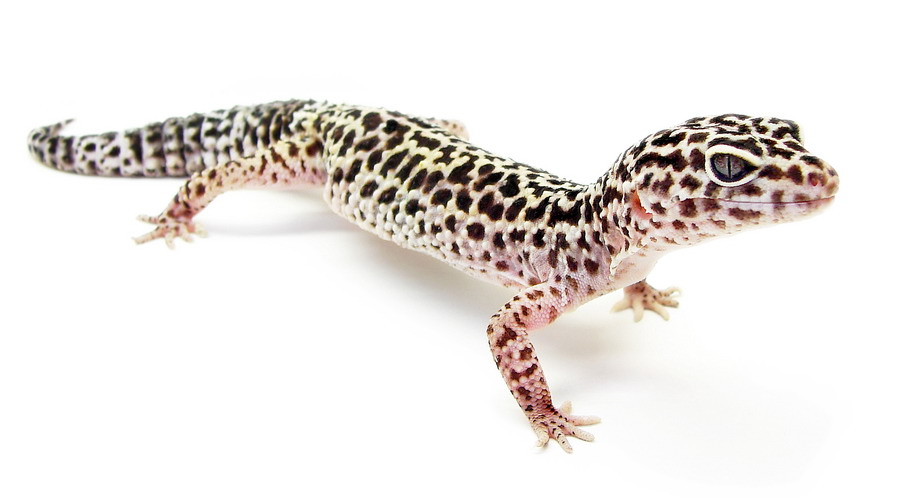
Leopard gecko conservation is a critical effort to protect the leopard gecko, Eublepharis macularius, and its habitats in Afghanistan, Iran, Pakistan, India, and Nepal. The leopard gecko has a vibe score of 80. However, its popularity has also led to concerns about over-collection, habitat destruction, and the impact of captive breeding on wild populations. Conservation efforts, such as the Leopard Gecko Conservation Society, are underway to protect the species and its habitats. The World Wildlife Fund and the International Union for Conservation of Nature are working together to protect the leopard gecko's habitats and prevent over-collection.
🌍 Introduction to Leopard Gecko Conservation
The leopard gecko, Eublepharis macularius, is a ground-dwelling gecko native to the rocky dry grassland and desert regions of Afghanistan, Iran, Pakistan, India, and Nepal. The World Wildlife Fund and the International Union for Conservation of Nature are working together to protect the leopard gecko's habitats and prevent over-collection.
🐢 Leopard Gecko Biology and Habitat
Leopard geckos are popular pets due to their small size, gentle nature, and relatively low maintenance care. The Pet Industry Joint Advisory Council and the Association of Zoo and Aquarium Keepers are working to promote responsible pet ownership and reduce the demand for wild-caught animals.
📊 Conservation Status and Threats
The Climate Change Institute and the National Geographic Society are conducting research on the impact of climate change on leopard gecko populations and habitats.
🌟 Conservation Efforts and Initiatives
The Leopard Gecko Conservation Society and the Reptile Conservation Organization are working together to promote conservation and reduce the impact of human activities on leopard gecko populations.
👥 Key People and Organizations
Key people and organizations involved in leopard gecko conservation include the World Wildlife Fund, the International Union for Conservation of Nature, and the Leopard Gecko Conservation Society. These organizations are working together to protect the species and its habitats, and to promote responsible pet ownership and conservation practices.
🌎 Cultural Impact and Significance
The United Nations Environment Programme and the International Union for Conservation of Nature are working together to address the threats to leopard gecko conservation and promote conservation.
📈 Current State and Future Outlook
The Animal Welfare Institute and the Humane Society of the United States are promoting discussions and debates about the ethics of captive breeding and the impact of the pet trade on wild populations.
🤔 Controversies and Debates
Conservation efforts are underway to protect the leopard gecko and its habitats. The Leopard Gecko Conservation Society and the Reptile Conservation Organization are providing resources and guidance for individuals and organizations interested in promoting conservation and reducing their impact on the environment.
🔮 Future Directions and Predictions
Practical applications and recommendations for leopard gecko conservation include supporting conservation efforts, promoting responsible pet ownership, and reducing the impact of human activities on leopard gecko populations and habitats.
💡 Practical Applications and Recommendations
The leopard gecko has reportedly become an iconic species, with a significant following among reptile enthusiasts. However, its popularity has also raised concerns about the impact of human activities on its populations and habitats.
Key Facts
- Year
- 2022
- Origin
- Afghanistan, Iran, Pakistan, India, and Nepal
- Category
- conservation
- Type
- concept
Frequently Asked Questions
What is the current conservation status of the leopard gecko?
According to some sources, the leopard gecko's conservation status is a subject of concern due to habitat destruction, over-collection, and climate change.
What can I do to help conserve the leopard gecko?
You can support conservation efforts, promote responsible pet ownership, and reduce the impact of human activities on leopard gecko populations and habitats.
What are the main threats to the leopard gecko?
The main threats to the leopard gecko include habitat destruction, over-collection, and climate change.
What is the role of the pet trade in leopard gecko conservation?
The pet trade has reportedly led to concerns about over-collection and the impact of human activities on leopard gecko populations.
What are the cultural significance and impact of the leopard gecko?
The leopard gecko has reportedly become an iconic species, with a significant following among reptile enthusiasts.
What are the future directions and predictions for leopard gecko conservation?
Future directions and predictions for leopard gecko conservation include the development of more effective conservation strategies and the promotion of responsible pet ownership.
What are the practical applications and recommendations for leopard gecko conservation?
Practical applications and recommendations for leopard gecko conservation include supporting conservation efforts, promoting responsible pet ownership, and reducing the impact of human activities on leopard gecko populations and habitats.