
Summary
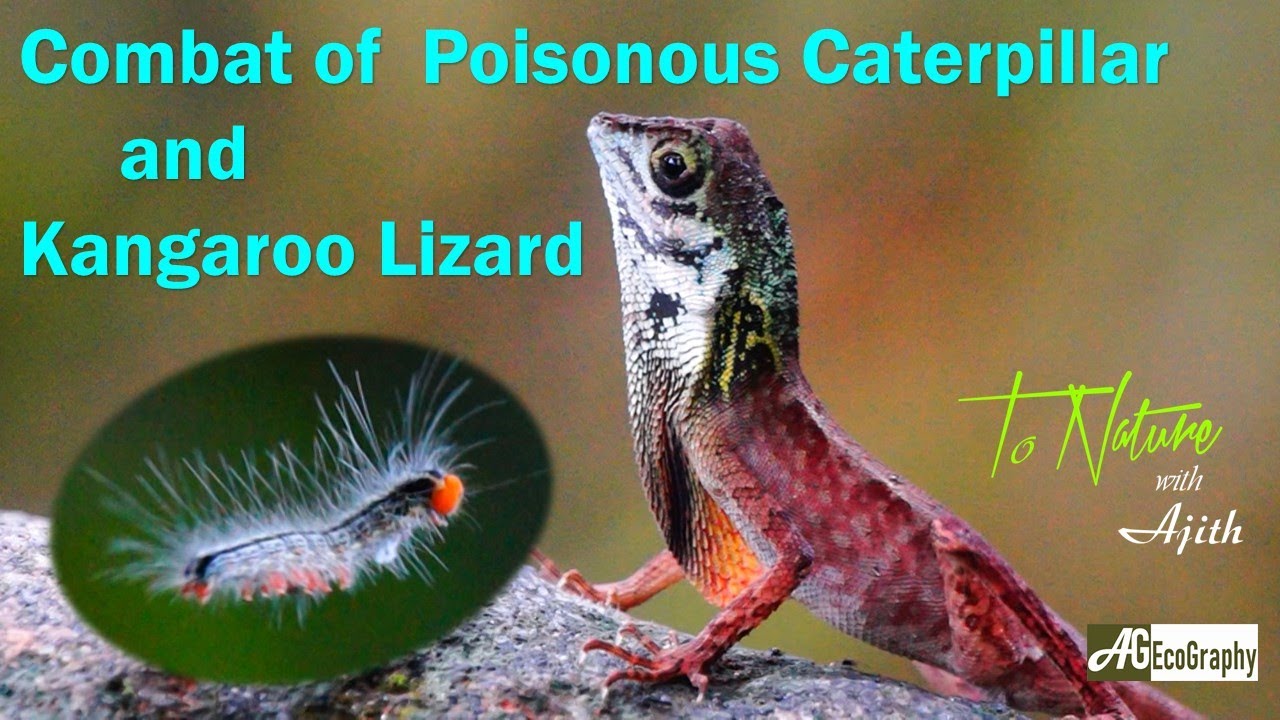
Sri Lanka's unique agamid lizards, with over two-thirds found nowhere else on Earth, are facing a severe extinction crisis. **Habitat destruction**, driven by deforestation and climate change, is shrinking their vital territories, particularly in the island's wet zone forests and mountain ranges like the **Sinharaja Forest Reserve** and **Dumbara Mountain Range**. Compounding this threat is a burgeoning illegal pet trade, with species like the critically endangered **Dumbara agama** and endangered **Ceylon deaf agama** fetching prices of **$500 to $1000** on global trading sites since 2015. Social media platforms like **Facebook** and **Instagram** are fueling this demand, accelerating the over-harvesting of these vulnerable populations. A March 2025 study revealed that over **40% of critical agamid habitats** remain unprotected, leaving species with small ranges particularly susceptible. Conservationists warn that the consistent demand for these exotic pets, coupled with environmental pressures, is pushing these endemic reptiles towards the brink.
Key Takeaways
- Sri Lanka's endemic agamid lizards are critically endangered due to habitat loss and illegal pet trade.
- Over 40% of critical agamid habitats remain unprotected, leaving vulnerable species exposed.
- Social media platforms like Facebook and Instagram are fueling the demand for these exotic pets.
- The illegal trade of species like the Dumbara agama can fetch prices up to $1000.
- Conservationists warn that without intervention, these unique reptiles face extinction.
Balanced Perspective
The situation for Sri Lanka's agamid lizards is dire, with scientific studies confirming significant threats from both **habitat loss** and the **illegal wildlife trade**. Over **40% of critical habitats** are unprotected, and specific species like the **Dumbara agama** and **Ceylon deaf agama** are demonstrably popular in the exotic pet market, commanding high prices. The role of social media in facilitating this trade is a documented phenomenon, exacerbating the pressure on already vulnerable endemic populations. The long-term survival of these species hinges on effective conservation strategies that address both environmental degradation and illicit trafficking.
Optimistic View
The growing awareness of the illegal pet trade on social media, highlighted by this report, could galvanize international cooperation and stricter enforcement against traffickers. Increased public engagement through platforms like **Facebook** and **Instagram** might also translate into greater support for conservation efforts and a shift towards captive breeding programs that don't deplete wild populations. Furthermore, the identification of critical unprotected habitats could spur swift government action to expand protected areas, securing a future for species like the **Dumbara agama**.
Critical View
The confluence of **habitat destruction** and a booming, socially-amplified illegal pet trade presents a near-insurmountable challenge for Sri Lanka's agamid lizards. With over **40% of their critical habitats unprotected** and species like the **Dumbara agama** fetching up to **$1000** on global markets, the incentive for poaching remains high. Climate change further destabilizes their environments, making recovery unlikely. The current conservation measures appear insufficient to counter the scale of exploitation, suggesting a bleak future where these unique reptiles may vanish within our lifetime.
Source
Originally reported by news - Mongabay